
P. elatus is a tall conifer that inhabits pockets of dry rainforest between the Illawarra region of the NSW coast and North Queensland. Fruiting cones on female trees produce fleshy scales or pseudo fruit, being somewhat plum-like and quite edible. Sometimes referred to as Illawarra plums, they are very popular for making jams and preserves and have high antioxidant value. The antioxidant effects are due to the presence of anthocyanidins, chemicals responsible for the purple colour. and other polyphenols. The species is currently being evaluated as having a role in cancer treatment. P. elatus is also useful as a timber tree, and for selective planting in urban environments.

Sterculia quadrifida – Information Sheet
S. quadrifida is a medium-size tree that inhabits rain forests and vine thickets, from the mid-north coast of NSW to Cape York and into SE Asia. The tree produces spectacular red follicles that split open to reveal shiny black seeds. The seeds have a taste somewhat like peanuts, hence the name ‘peanut tree’. Apart from producing edible seeds, the trees have medicinal value. The leaves and bark are used in both traditional Australian Aboriginal and Indonesian medicine for a range of disorders including marine stings and hepatitis; it is currently being investigated for breast cancer treatment. S. quadrifida is a very good shade tree and suitable for planting on farms and in urban settings provided there is no exposure to severe frost.

Tasmannia lanceolata – Information Sheet
Tasmannia species are small trees with glossy, aromatic leaves, found in the cool mountainous regions of south-eastern Australia. The genus is significant since it contains some of the most pungent or hot tasting species found in the native flora. P. lanceolata has become a popular “bush food” item due to its spicy flavour. It has much potential as an antimicrobial and antifungal medicine; the compound polygodial having been proven to be a potent inhibitor of Candida albicans and other pathogenic organisms. A close relative - Drimys winteri - from South America - is the source of Winter’s bark, once used as a specific against scurvy on long ocean voyages. Mountain pepper is a multi-purpose plant, and suitable for cultivation in cooler, high-rainfall areas.

Tetragonia tetragonoides – Information Sheet
Known as Warrigal greens and New Zealand spinach among other names, T. tetragonoides is a low growing, straggling herb whose bright green leaves are edible. It is a well-known coastal plant in Eastern Australia, but it also inhabits inland sites, and the distribution spreads into Asia as far north as Japan. Warrigal greens are quite nutritious, being high in iron and other minerals. The leaves also contain, oxalates, hence it is widely recommended they not be eaten raw. While there is little evidence T. tetragonoides was a significant edible or medicinal plant within Aboriginal communities, it does have a history of medicinal use in Japan and Korea. The plant is easy to propagate and grow, however it may need to be contained to prevent spreading.
Summer 2023 Newsletter – Issue #23
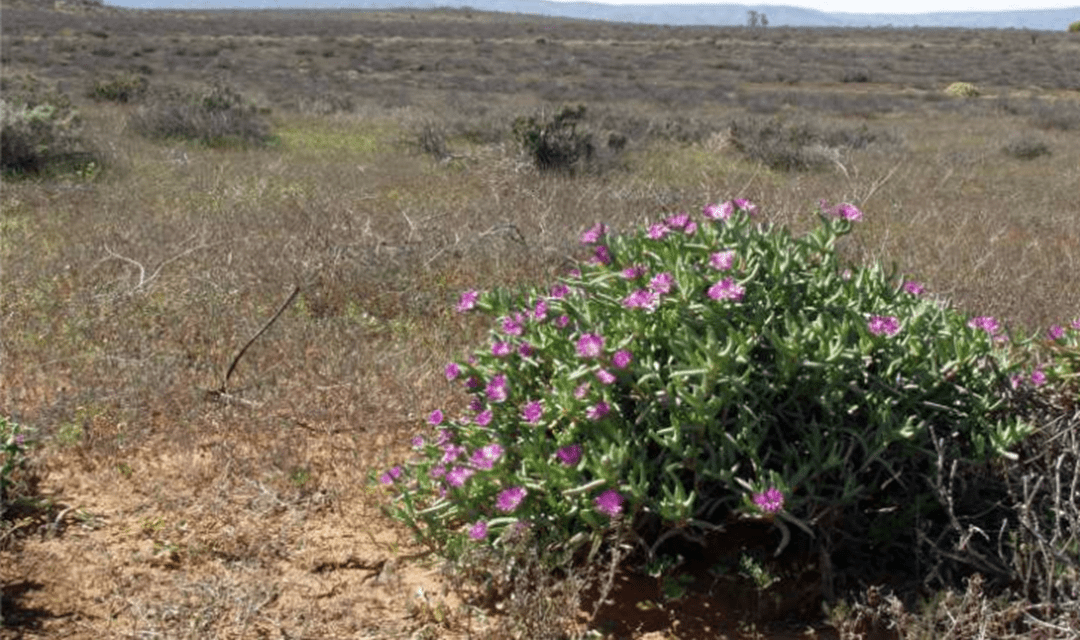
Summer 2023 newsletter, including: Edible Succulents – Part 2 Field Day – Nov. 4, Wiseman’s Ferry Regulations & Indigenous Medicine Restoring an Acacia implexa Ecosystem; Book Review: Medicinal Agroecology; 2023 Bushfood Festival
Winter 2022 Newsletter – Issue #18
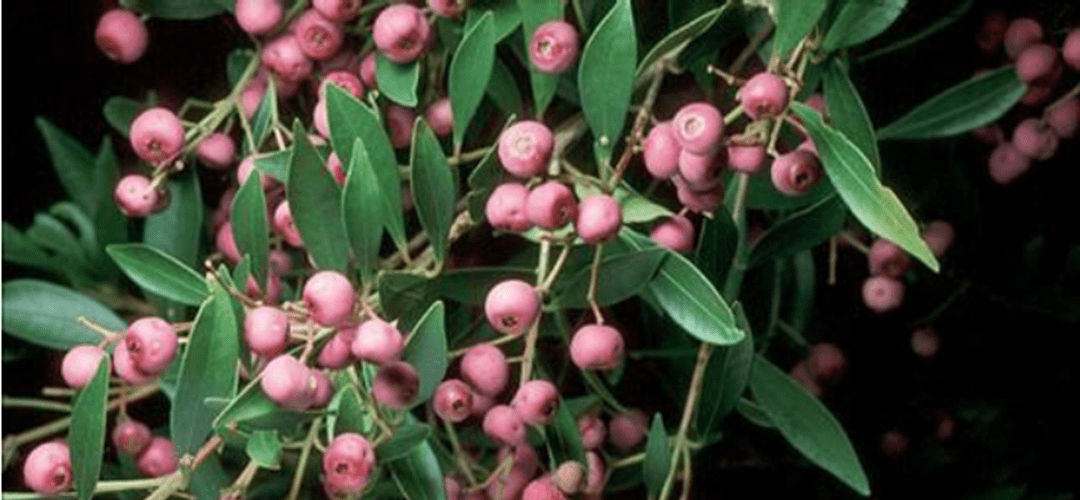
Our downloadable newsletter includes articles on native greens for health, native teas, Australian truffle and truffle-like fungi and garden design for bushfire resistance.

Summer 2022 Newsletter – Issue #16
Under-utilized Crops; Future of Aussie Foods; Indigenous Foods & Medicines; Indigenous Edible & Medicinal Knowledge Cards; Sandalwood Stories; Field Day – November 2021 Book Launch – Australian Essential Oil Profiles Book Reviews; Recipe – Bushman’s Ointment

Autumn 2022 Newsletter – Issue #17
Medicinal Plants of the Brigalow Belt; Davidson Plums Highlights; Australian Native Flowers The Grand Collection; Brief History of the Distillation of Essential Oils; Persoonia Project – Research Collaboration; Guidelines for harvesting Persoonia; Indigenous Plants for Health – Field Day May 2022; A Bushfood Conference Brisbane region on 18th - 20th August

A Persoonia research collaboration with UQ
For millennia, indigenous peoples along the Eastern Coast of Australia have used geebung berries as a natural antibiotic. In conjuction with UQ, we are undertaking a study of geebung and its active constituents.

Spring 2021 Newsletter – Issue #15
Plants of the Queensland Granite Belt Phytochemistry of the Bush – Pt.4 Essential oils Update- Persoonia Research North Rothbury Persoonia Book review – Taste of the Outback Plants for Brisbane suburbs
 Indigenous Plants for Health, Inc.