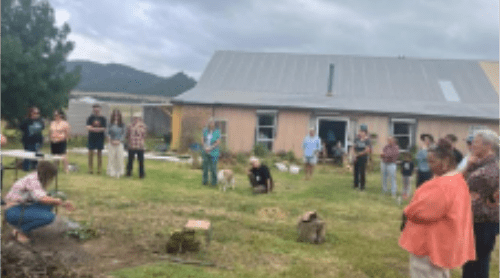
Pat Collins' report on the IPHA November field day - good food, knowledge and garden-building.
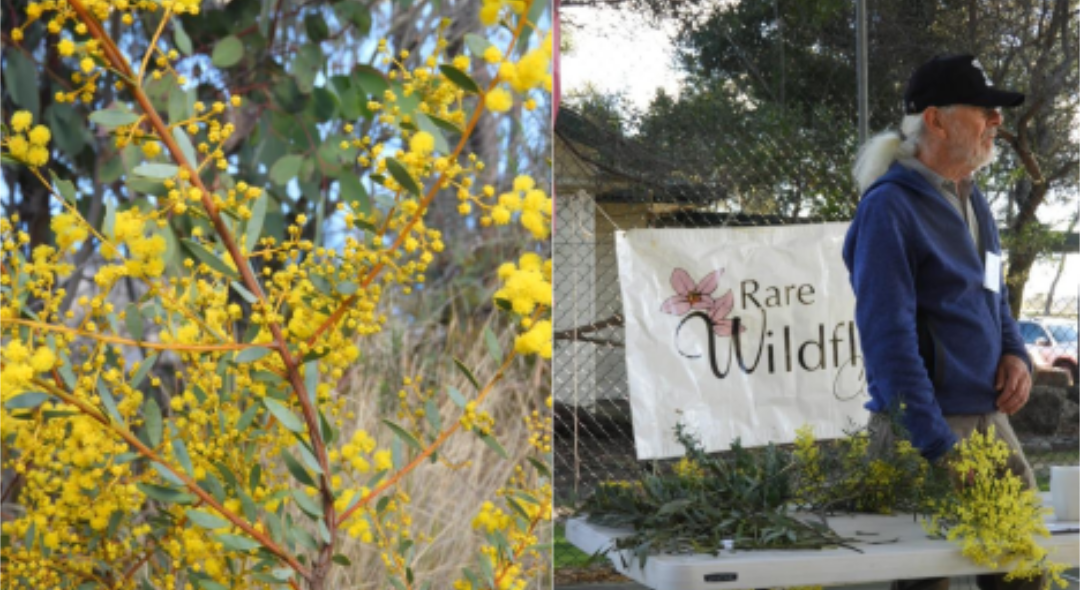
Spring 2025 Newsletter – Issue #29
iNaturalist - uses and community; Upper Hunter Field Day 22nd November 2025; Grassroots Botany for Herbalists 2nd November 2025; National Bushfoods Conference, 8th-9th November; Quiet Giants: Rough Tree Fern in Art and Story;: Yarning garden project update; Opening of new visitor’s centre, Girraween National Park; Wattle Workshop in Granite Belt

Winter 2025 Newsletter – Issue #28
Calling Bushfoodies. Australian Bushfood Conference 2025; NAIDOC Workshop, Wiradjuri Cultural Centre; Yarning garden project update; Wattle Workshop in Granite Belt; Connect with river red gum through ceramics; Pat Collins at HerbFest; Native plants winter regional gathering
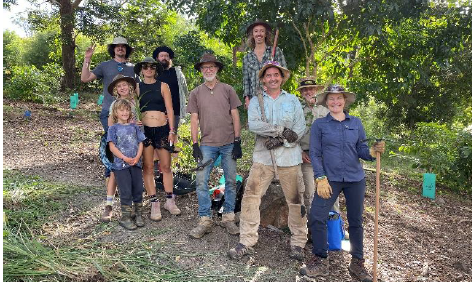
Autumn 2025 Newsletter – Issue #27
Field Day Report - Somersby NSW, April 2025; The Planting Weekend, Woodford; Yarning garden project update; Chocolate lilies; Euphorbia hirta in Art and Story; Vacancies
Late summer 2025 newsletter – Issue #26
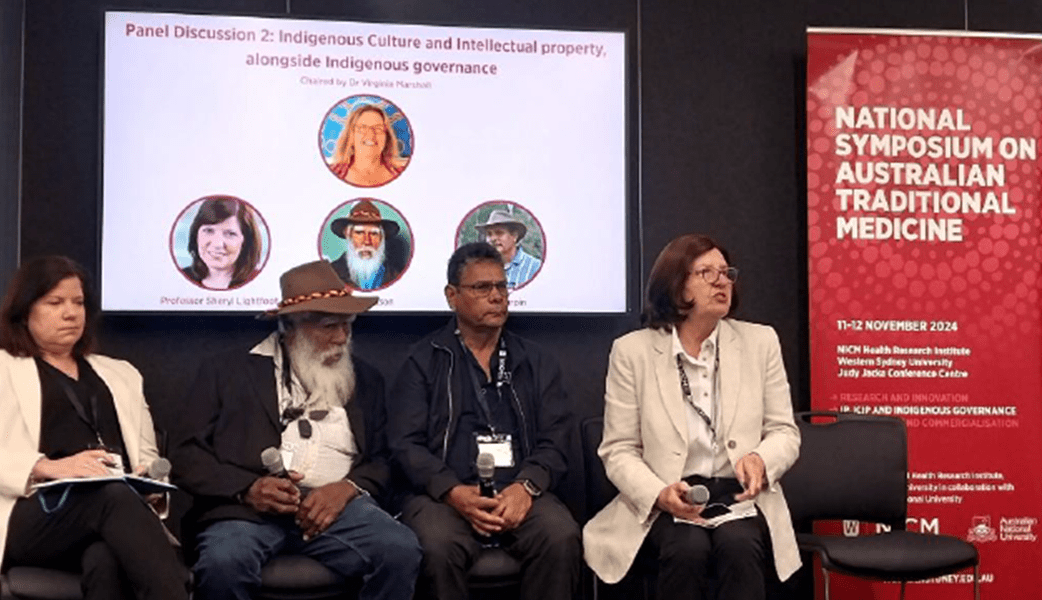
Our next Field Day; Our new Committee Member Renata Buziak; National Symposium on Australian Traditional Medicine ;report News from Woodfordia IPHA Queensland Field Day Report; Engaging with First Nations People About Indigenous Plants; 2025 IPHA funded project update

October 2024 Field Day Highlights
Our final 2024 field day was rich in information, experience and relationship-building. Here are some highlights - the full report will be in our next newsletter

Spring 2024 Newsletter – Issue #25
September newsletter highlights, including resources on The Heliozelid Moth and Boronia Flower; and how bunya and black bean tress were "waled" across country
Youth Yarning Garden, Yiliyapinya Indigenous Corporation in Brisbane
IPHA is funding the development of a Youth Yarning Garden for health and healing, in partnership with with Yiliyapinya Indigenous Corporation
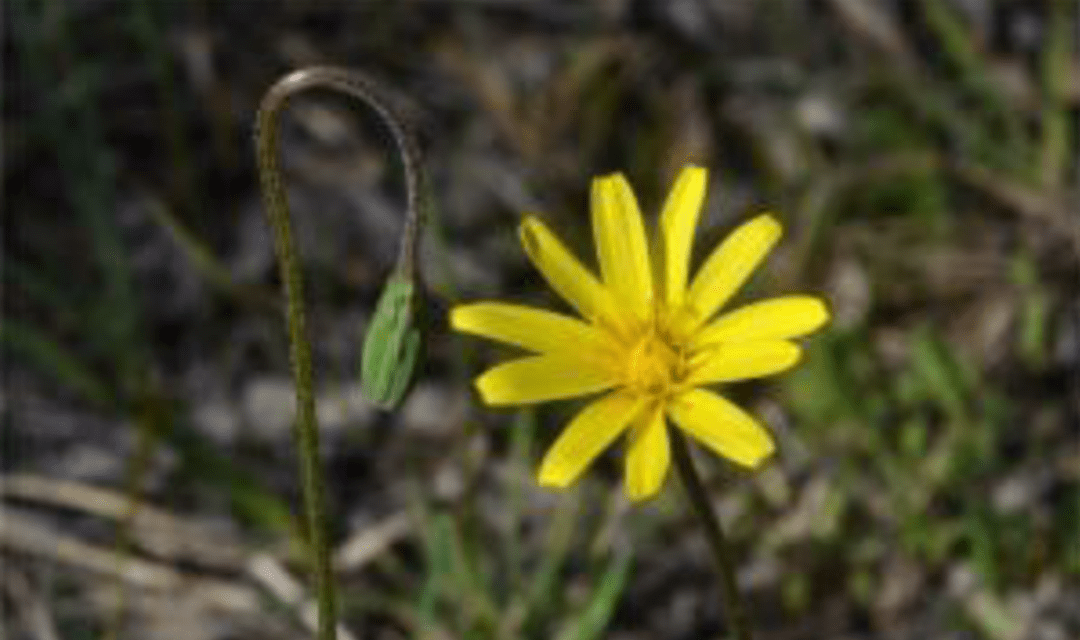
Microseris walteri – Information Sheet
Murnong is a dandelion-like plant with a fleshy tuber, that was previously widespread across the plains and grassy box woodlands of the southern states, most notably Victoria. It has an edible tuber, which was once a highly significant First Nations dietary item, a tradition that is being revived in some circles. Murnong tubers are rich in inulin, a form of carbohydrate that protects humans from elevated blood sugar and diabetes, and which may assist in weight management. The plant is easy to propagate and cultivate, especially in the southern states.
Autumn 2024 Newsletter – Issue #24
Dodonaea viscosa; Planting Bushfoods at Woodfordia;; Martindale Field Day, April 2024 ;Profile of indigenous business CHOCOLATE ON PURPOSE
 Indigenous Plants for Health, Inc.