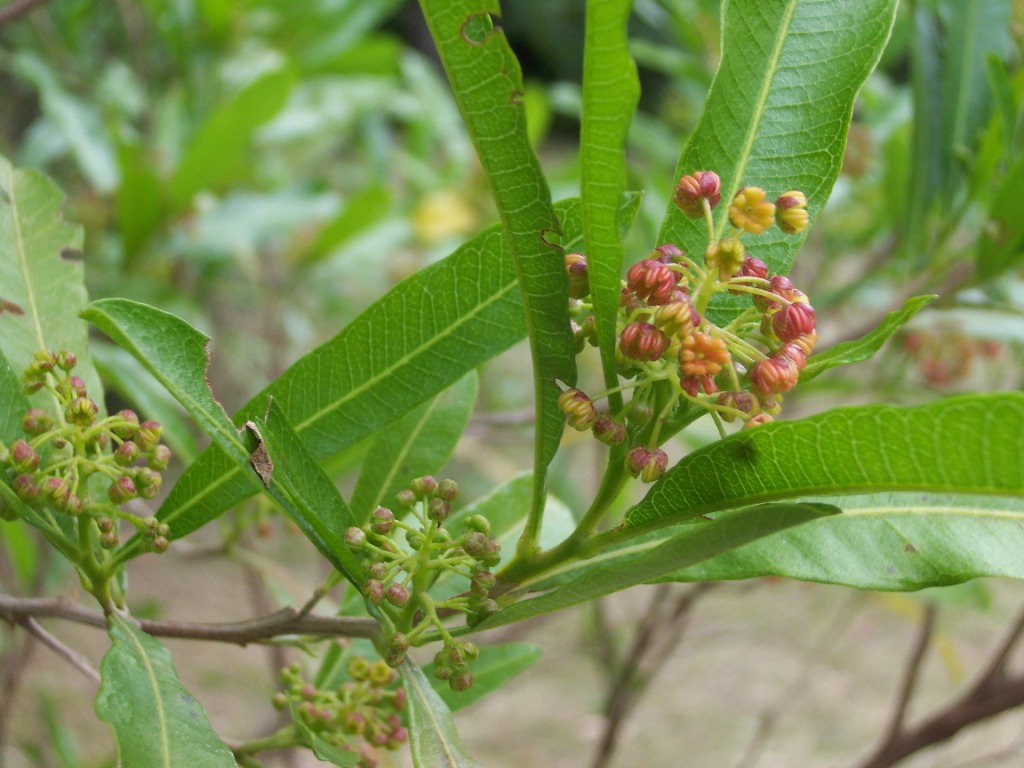
This evergreen shrub has a wide distribution both in Australia and around the world. The seven sub-species found in Australia are described. The species has a history of traditional medicinal use from countries as disperse as Kenya, Mexico and India as well as Australia, ranging from treatment of wounds and stings, digestive problems, bacterial infections and diabetes. Phytochemical analysis reveals the presence of pharmacologically active constituents such as diterpenes, triterpenoid saponins and flavonoids. Hopbushes are worthy of conserving in woodland, and cultivating in agroecological settings for their utilitarian uses which include soil binding for erosion control, hedges and windbreaks while they have ornamental value for urban environments.
IHP BLog Posts
Youth Yarning Garden, Yiliyapinya Indigenous Corporation in Brisbane
IPHA is funding the development of a Youth Yarning Garden for health and healing, in partnership with with Yiliyapinya Indigenous Corporation
Kunzea ambigua – Information Sheet
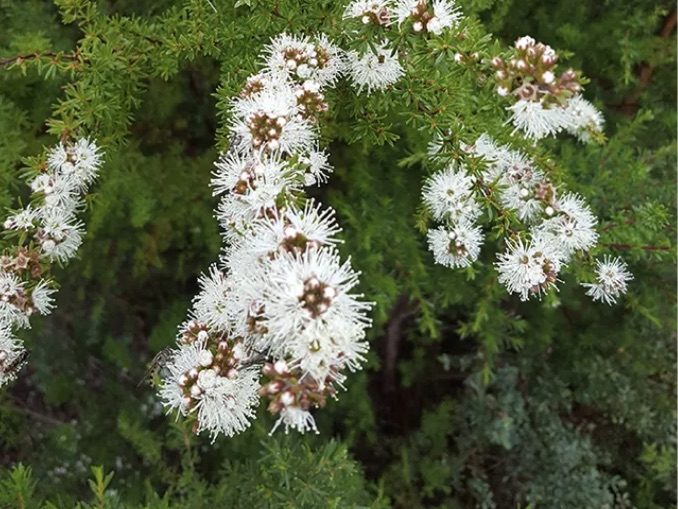
Kunzea is a medium-size aromatic shrub that is covered in white blossoms in the spring. It inhabits coastal areas south from the Hunter Valley to Tasmania, where it grows in dense thickets. Kunzea oil is a highly valued essential with multiple applications. Northern Tasmania is the center of essential oil production. Kunzea oil is registered with the Therapeutic Goods Authority for external use only. The shrub provides shelter for wildlife; it is useful for making brush hedges and for inter-row cropping on farms.
Melaleuca quinquenervia – Information Sheet
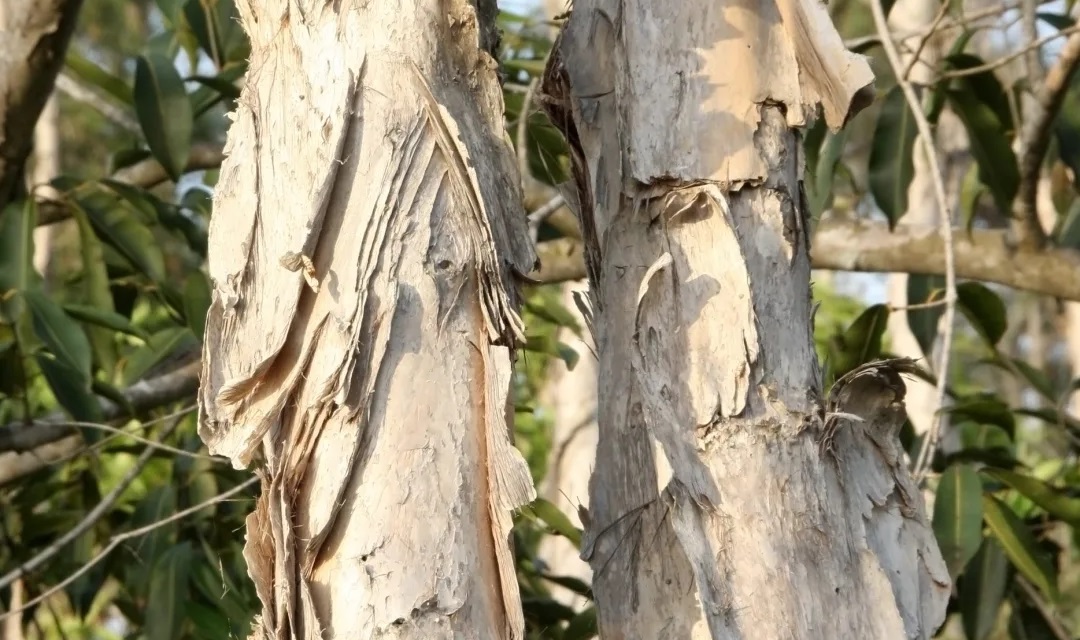
M. quinquenervia is the most widespread of several Melaleuca paperbarks from the coast and sub-coastal regions of Eastern Australia. The medium-size tree bears aromatic leaves and profuse bottle-brush flowers. Two main chemical varieties of essential oils are produced from the leaves, being labelled “nerolina” which is high in the sesquiterpene alcohol nerolidol, and “niauoli” which is high in 1-8 cineole. Both essential oil types are highly regarded in aromatherapy. In addition, the leaves are a rich source of polyphenols, triterpenoids and sterols. This paperbark prefers to grow in wetlands but is well adapted to cultivation in a wide range of situations. Its’ blossoms are a major attraction for birds, bees and fruit bats.
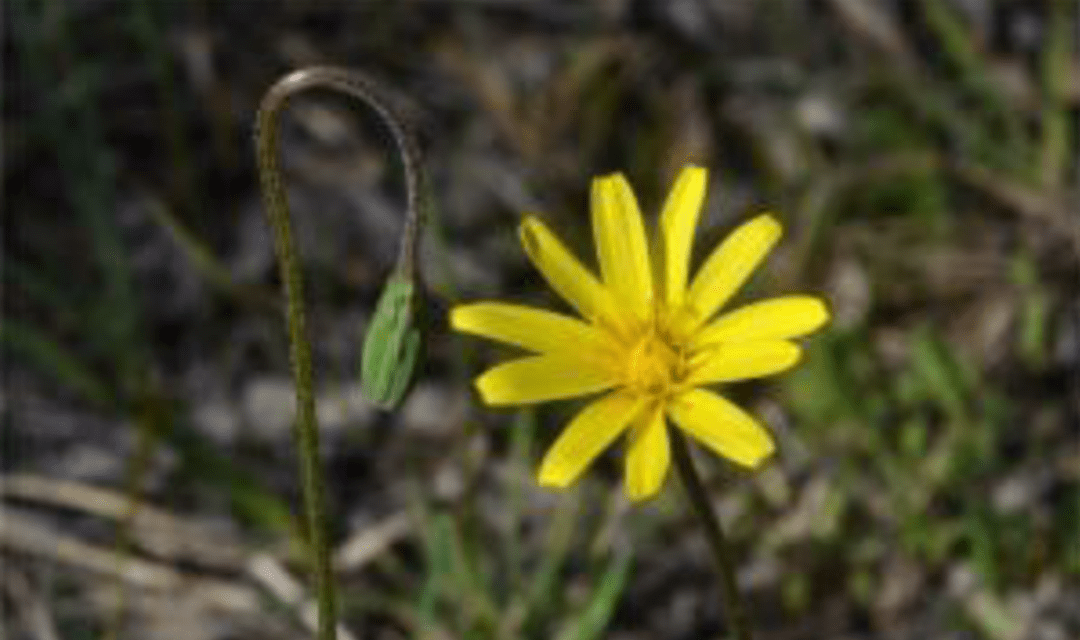
Microseris walteri – Information Sheet
Murnong is a dandelion-like plant with a fleshy tuber, that was previously widespread across the plains and grassy box woodlands of the southern states, most notably Victoria. It has an edible tuber, which was once a highly significant First Nations dietary item, a tradition that is being revived in some circles. Murnong tubers are rich in inulin, a form of carbohydrate that protects humans from elevated blood sugar and diabetes, and which may assist in weight management. The plant is easy to propagate and cultivate, especially in the southern states.

Pittosporum angustifolium – Information Sheet
P. angustifolium is a small tree with widespread distribution, mainly inland from the Great Dividing Range. It is a highly regarded medicinal plant among First Nation communities, noted for its’ anti-inflammatory, antimicrobial and anticancer actions. The leaves are rich in flavonoids, triterpenoid saponins and essential oils. The tree is suitable for planting in drier locations, it attracts both birds and bees, while the leaves are suitable as cattle fodder.
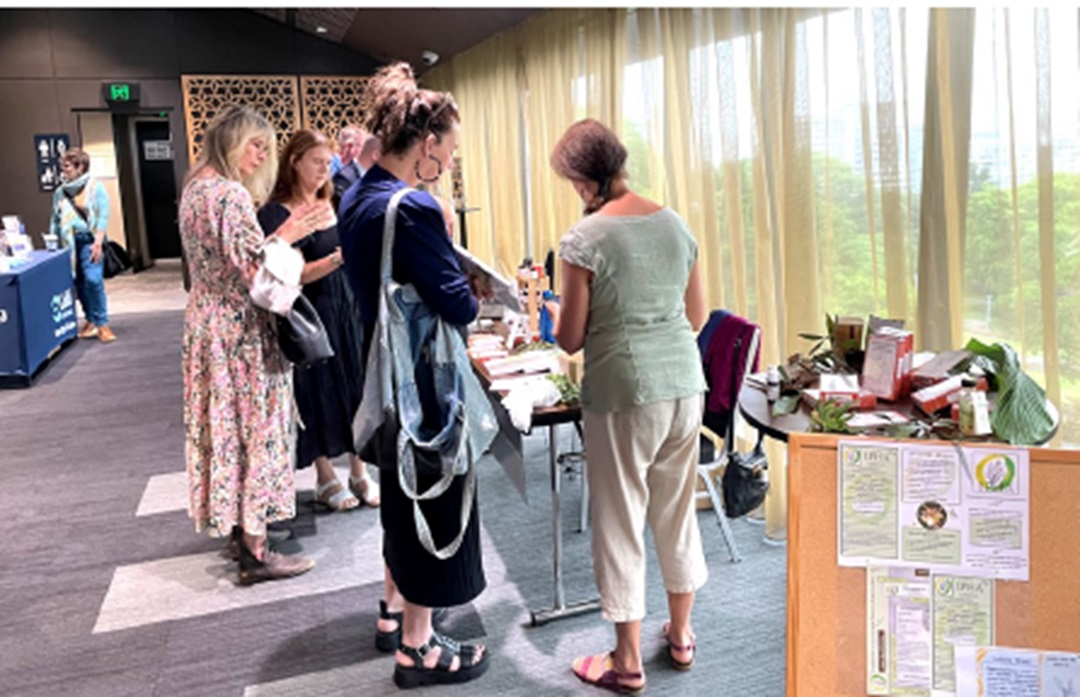
Autumn 2024 Newsletter – Issue #24
Dodonaea viscosa; Planting Bushfoods at Woodfordia;; Martindale Field Day, April 2024 ;Profile of indigenous business CHOCOLATE ON PURPOSE

Podocarpus elatus – Information Sheet
P. elatus is a tall conifer that inhabits pockets of dry rainforest between the Illawarra region of the NSW coast and North Queensland. Fruiting cones on female trees produce fleshy scales or pseudo fruit, being somewhat plum-like and quite edible. Sometimes referred to as Illawarra plums, they are very popular for making jams and preserves and have high antioxidant value. The antioxidant effects are due to the presence of anthocyanidins, chemicals responsible for the purple colour. and other polyphenols. The species is currently being evaluated as having a role in cancer treatment. P. elatus is also useful as a timber tree, and for selective planting in urban environments.

Sterculia quadrifida – Information Sheet
S. quadrifida is a medium-size tree that inhabits rain forests and vine thickets, from the mid-north coast of NSW to Cape York and into SE Asia. The tree produces spectacular red follicles that split open to reveal shiny black seeds. The seeds have a taste somewhat like peanuts, hence the name ‘peanut tree’. Apart from producing edible seeds, the trees have medicinal value. The leaves and bark are used in both traditional Australian Aboriginal and Indonesian medicine for a range of disorders including marine stings and hepatitis; it is currently being investigated for breast cancer treatment. S. quadrifida is a very good shade tree and suitable for planting on farms and in urban settings provided there is no exposure to severe frost.

Tasmannia lanceolata – Information Sheet
Tasmannia species are small trees with glossy, aromatic leaves, found in the cool mountainous regions of south-eastern Australia. The genus is significant since it contains some of the most pungent or hot tasting species found in the native flora. P. lanceolata has become a popular “bush food” item due to its spicy flavour. It has much potential as an antimicrobial and antifungal medicine; the compound polygodial having been proven to be a potent inhibitor of Candida albicans and other pathogenic organisms. A close relative - Drimys winteri - from South America - is the source of Winter’s bark, once used as a specific against scurvy on long ocean voyages. Mountain pepper is a multi-purpose plant, and suitable for cultivation in cooler, high-rainfall areas.
 Indigenous Plants for Health, Inc.