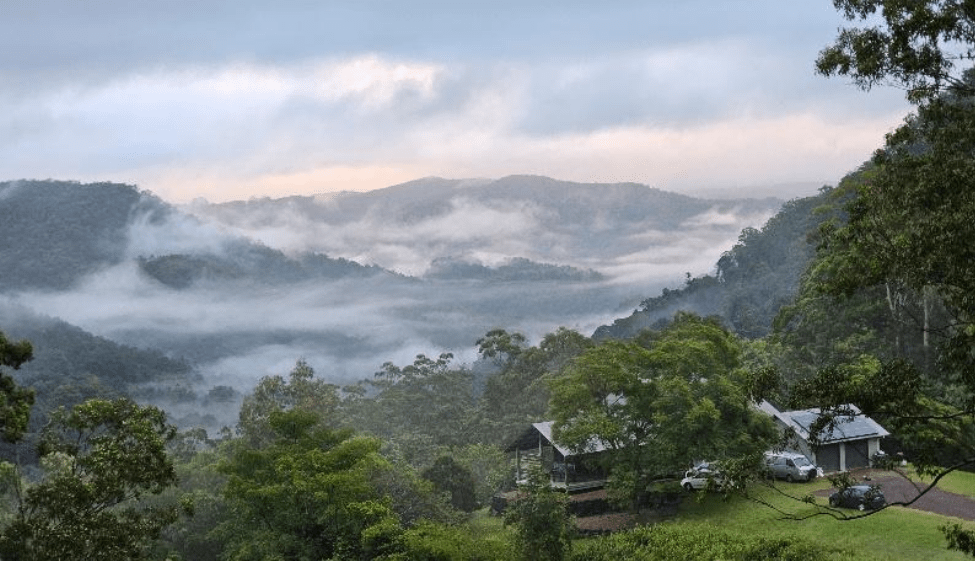
An excerpt from our latest newsletter, reporting on the May 2026 Field Day & Workshop in Mapleton, QLD.
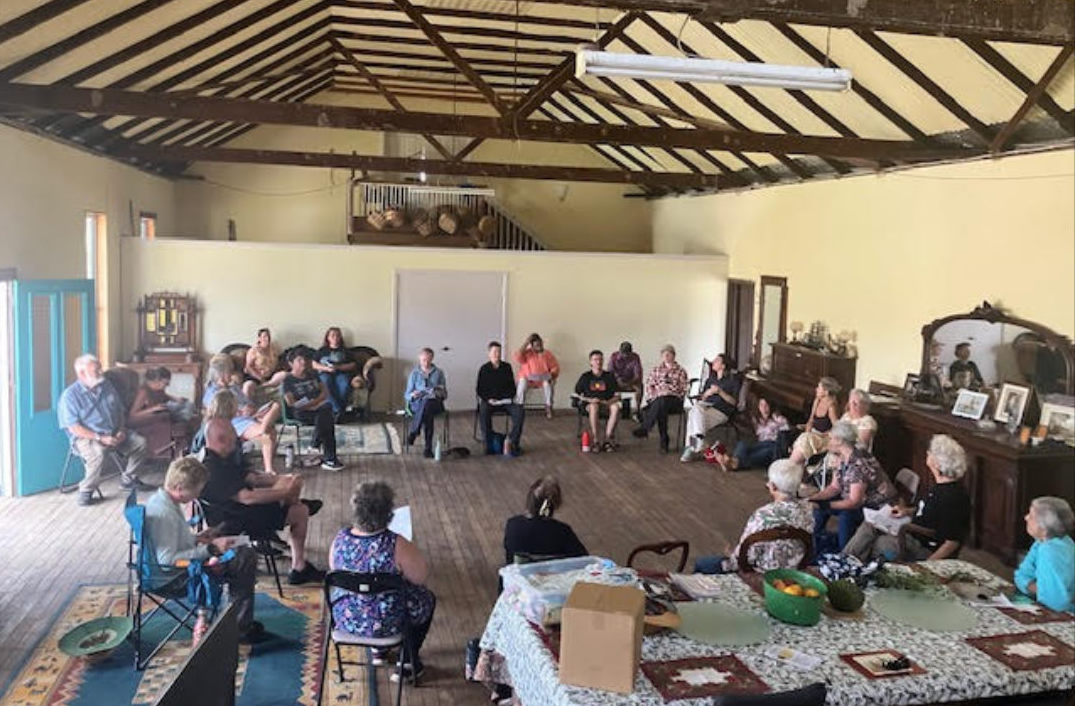
Summer 2025 Newsletter – Issue #30
Plants for the New Year; IPHA Committee members and vacancies; Introducing New Committee Member; Bush Fruit Field Day. Mapleton, Qld; Cyanotype Botanical Workshop; IPHA field day at Yarrawa hall report; Persoonia conservation and the power of community; Yarning Garden Project Update; Turning Pineapple Leaves into Beautiful Fabric; Grassroots Botany for Herbalists report; Food and Medicine Sovereignty - Groups Making a Difference; Visit to West Woombye
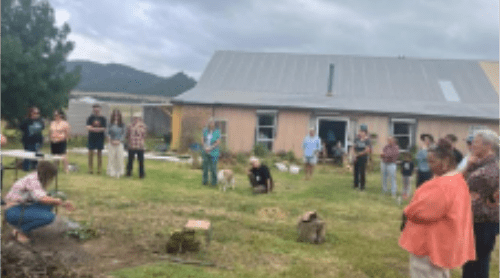
November 2025 Field Day – Hunter Valley
Pat Collins' report on the IPHA November field day - good food, knowledge and garden-building.
Autumn 2025 Newsletter – Issue #27
Field Day Report - Somersby NSW, April 2025; The Planting Weekend, Woodford; Yarning garden project update; Chocolate lilies; Euphorbia hirta in Art and Story; Vacancies

Acacia spp Part 1 – Information Sheet
Acacia is a genus of over 1,000 species native to Australia. For the profiles four species have been selected on the basis of their health-promoting properties and suitability for agroecological systems. Part 1 covers the descriptions and distribution, nutritional status and phytochemistry of the four selected species, with special focus on the nutrient profile of A. victoriae and the polyphenols and tannins in A. mearnsii, A. decurrens and A. implexa.

Acacia spp Part 2 – Information Sheet
The broad range of uses of the four Acacia species are reviewed, including the production of wattle seed for food and beverages, and the role of Australian Acacia bark in the tanning industry, notably in South Africa. Medicinal research findings include positive antimicrobial, antidiabetic and anticancer effects. Australian wattles are often cultivated in plantations, mainly in Africa and Asia, whereas they are mostly wild harvested in Australia for timber and other applications. Being nitrogen fixers they are very useful for agroforestry, however some species are liable to become invasive outside of their natural habitats, especially when cultivated outside of Australia.

Spring 2024 Newsletter – Issue #25
September newsletter highlights, including resources on The Heliozelid Moth and Boronia Flower; and how bunya and black bean tress were "waled" across country
Microseris walteri – Information Sheet
Murnong is a dandelion-like plant with a fleshy tuber, that was previously widespread across the plains and grassy box woodlands of the southern states, most notably Victoria. It has an edible tuber, which was once a highly significant First Nations dietary item, a tradition that is being revived in some circles. Murnong tubers are rich in inulin, a form of carbohydrate that protects humans from elevated blood sugar and diabetes, and which may assist in weight management. The plant is easy to propagate and cultivate, especially in the southern states.

Pittosporum angustifolium – Information Sheet
P. angustifolium is a small tree with widespread distribution, mainly inland from the Great Dividing Range. It is a highly regarded medicinal plant among First Nation communities, noted for its’ anti-inflammatory, antimicrobial and anticancer actions. The leaves are rich in flavonoids, triterpenoid saponins and essential oils. The tree is suitable for planting in drier locations, it attracts both birds and bees, while the leaves are suitable as cattle fodder.
Autumn 2024 Newsletter – Issue #24
Dodonaea viscosa; Planting Bushfoods at Woodfordia;; Martindale Field Day, April 2024 ;Profile of indigenous business CHOCOLATE ON PURPOSE

